January 28, 2026
Ensuring efficient septic system maintenance is crucial to preserving both private property and the environment. An effectively maintained septic system not only enhances property value but also extends the lifespan of the system itself. Moreover, septic systems play a critical role in environmental conservation by minimizing pollutants and protecting nearby water sources. As population density rises, proper upkeep becomes paramount to avoid overwhelming natural resources with untreated waste. Homeowners often rely on septic companies to guide routine care and long-term planning, making informed maintenance decisions easier. This article delves into the importance of septic maintenance and its widespread benefits.
Understanding Septic System Fundamentals
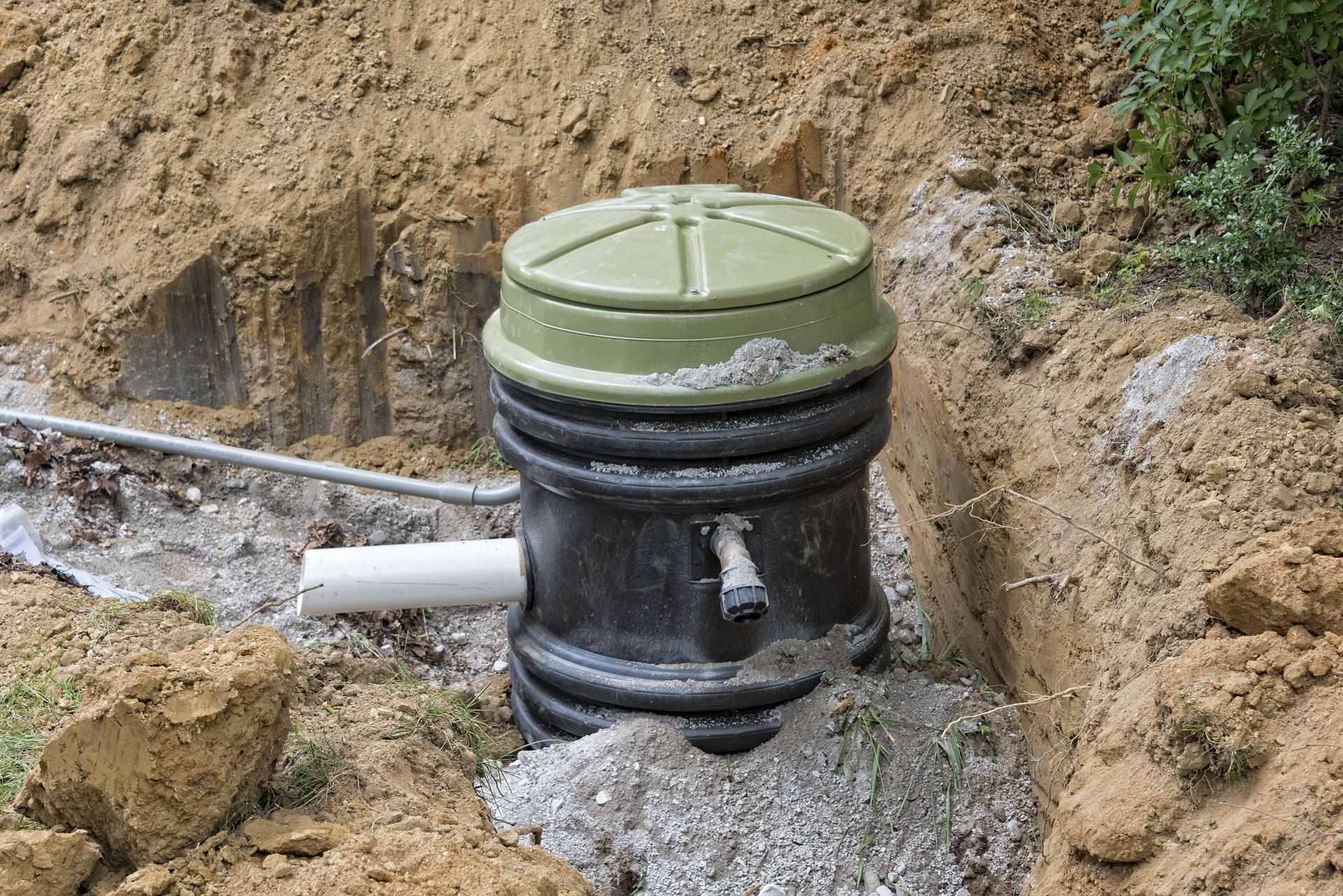
A septic system consists of several fundamental parts, including the septic tank, drain field, and soil absorption area. The septic tank, buried underground, collects and treats wastewater from a household. Once solid waste settles at the tank's bottom, the remaining effluent flows to the drain field. The soil absorption area further treats the effluent through natural filtration processes before being released into the groundwater. Each component plays a pivotal role in ensuring the septic system functions effectively and prevents pollution.
Septic systems function through a biological and physical process that breaks down waste and disperses treated water. Wastewater from a home flows into the septic tank, where solids settle and bacteria break down organic matter. This treated liquid then exits into the drain field, designed to allow the water to percolate through the soil layers. Through this process, harmful substances are removed or minimized, making the water safer to reenter the environment. Efficient performance depends on healthy bacterial activity and unobstructed soil absorption.
Despite their durability, septic systems can experience common issues that disrupt efficiency and safety. Blocked pipes, tank overflows, and soil saturation can lead to slow drainage or backups. Structural problems such as cracked tanks or damaged connections may allow untreated wastewater to escape into surrounding soil. When usage exceeds design capacity, systems may fail prematurely. Recognizing these risks early helps prevent costly repairs and environmental harm.
Warning signs of system failure often appear gradually. Persistent odors near drains or the drain field may indicate leaks or overflows. Slow household drains and recurring sewage backups suggest internal blockages or full tanks. Standing water or unusually lush grass above the drain field can signal drainage problems. Early response to these indicators reduces the likelihood of widespread damage.
Regulations and guidelines govern septic companies and their ownership to protect public health and the environment. Many jurisdictions require routine inspections and documented pumping schedules. These standards help ensure systems operate within safe limits and prevent contamination of nearby water sources. Compliance also protects homeowners from fines and legal complications while supporting responsible land use.
Consequences of Neglected Septic Systems
Neglecting septic maintenance can result in serious environmental consequences. Failed systems allow untreated wastewater to seep into soil and groundwater, introducing harmful pathogens and nutrients. Contaminated water sources threaten drinking water supplies and aquatic ecosystems. Excess nutrients may trigger algae blooms that deplete oxygen levels and damage marine life. Consistent maintenance is essential to avoiding these outcomes.
Health risks are another major concern when septic systems are ignored. Untreated sewage contains bacteria and viruses that can cause illness when they reach water supplies or surface areas. Elevated nitrate levels in drinking water have been linked to serious health conditions, particularly in infants. Preventive care reduces exposure risks and helps maintain safe living conditions.
Financial impacts often follow septic neglect. Minor issues that go unaddressed can escalate into major failures requiring extensive repairs or complete system replacement. Costs associated with drain field replacement or soil remediation can be significant. Homeowners may also face penalties if systems violate environmental regulations. Preventive investment is far more economical than reactive repairs.
Property value can decline sharply when septic issues arise. Buyers may be discouraged by the prospect of hidden repairs or inspection failures. Appraisals often reflect system condition, influencing resale potential. In contrast, documented maintenance reassures buyers and supports competitive pricing.
Beyond individual properties, failing septic systems can affect entire communities. Widespread contamination undermines neighborhood safety and environmental quality. Municipal resources may be strained addressing preventable issues. Collective responsibility for septic care helps sustain healthy, desirable communities.
Essential Septic Maintenance Practices
Regular inspections are a cornerstone of effective septic maintenance. Professional evaluations identify early signs of wear, blockages, or imbalance. These assessments allow homeowners to address minor issues before they develop into costly failures. Many septic companies recommend inspection schedules based on household size and system age to optimize performance.
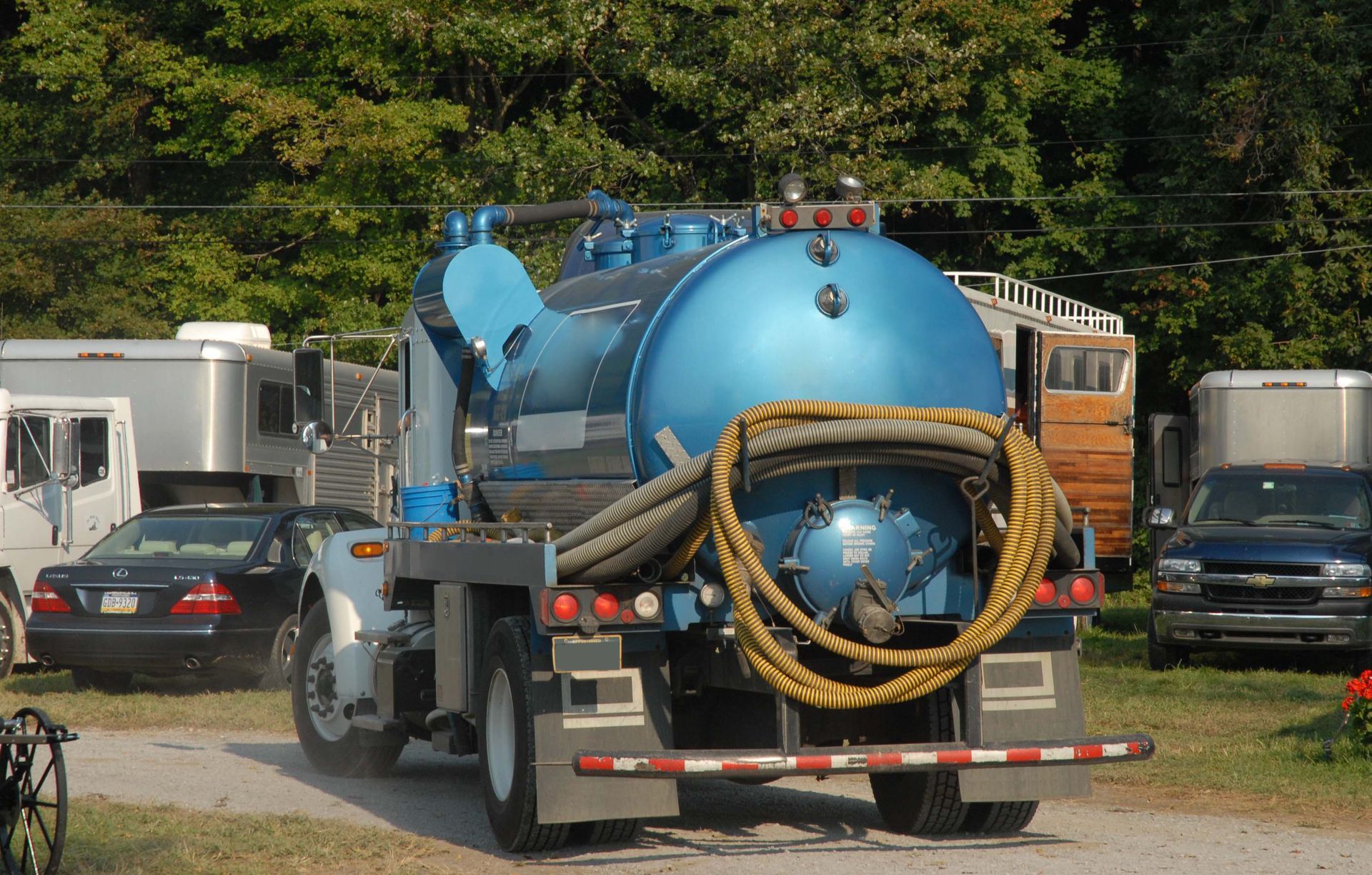
Timely septic tank pumping prevents solid buildup that can overwhelm the system. Pumping frequency typically ranges from three to five years, depending on usage patterns. Removing accumulated sludge maintains proper flow and protects the drain field from clogging. According to Family Handyman, with proper care and maintenance, a septic system's drainfield can last 50 years or more. Long-term system efficiency depends heavily on this routine practice.
Responsible waste disposal habits significantly influence system health. Non-biodegradable items and excessive chemical cleaners disrupt bacterial balance and contribute to blockages. Educating household members about proper use reduces strain on the system. Simple behavioral adjustments can dramatically extend system life.
Routine repairs and upkeep further support reliable operation. Addressing small leaks, replacing worn components, and monitoring drainage patterns prevent gradual deterioration. Consistent attention preserves system integrity and minimizes unexpected disruptions.
Advancements in Septic System Technology
Modern monitoring systems provide real-time insights into septic performance. Sensors track flow levels and alert homeowners to potential problems before failures occur. These tools support proactive maintenance strategies and reduce emergency repairs. Many septic companies now incorporate monitoring technology into long-term service plans.
Aerobic treatment units represent a significant advancement in waste processing. By introducing oxygen, these systems accelerate bacterial activity and produce cleaner effluent. They are particularly beneficial for properties with limited soil absorption or higher occupancy. While maintenance requirements remain important, treatment efficiency is notably improved.
Innovative tank designs and materials have also enhanced system durability. Fiberglass and high-density polyethylene resist corrosion and cracking. Improved internal flow designs reduce sediment buildup and extend service intervals. These advancements support sustainable waste management.
Biological additives are sometimes marketed to enhance septic performance, though their effectiveness is debated. In many cases, naturally occurring bacteria are sufficient when systems are properly maintained. Professional insight from experienced septic companies helps homeowners evaluate whether additives are appropriate for their systems.
Benefits of Proactive Septic Care
Proper maintenance significantly extends system longevity. Preventive care reduces wear on components and delays the need for replacement. Over decades, this reliability translates into substantial savings.
Cost efficiency is another major benefit. Routine service expenses are minimal compared to the cost of emergency repairs. Homeowners who partner with reputable septic companies often experience fewer disruptions and lower lifetime system costs.
Environmental preservation remains a central advantage of proactive care. Effective treatment prevents contaminants from entering soil and water systems. Responsible management supports ecosystem health and water quality.
Well-maintained systems also enhance property value. Buyers appreciate documented care and reduced risk, making properties more attractive in competitive markets.
Community Support and Education
Public education initiatives help homeowners understand septic responsibilities and best practices. Workshops and informational resources encourage informed ownership and preventive care.
Incentive programs further promote compliance by reducing financial barriers. Rebates and tax credits motivate routine maintenance and system upgrades.
Grants and assistance programs support homeowners facing costly repairs. These resources help ensure all community members can maintain safe, functional systems.
Collaborative efforts among local organizations strengthen septic management strategies. Shared knowledge and coordinated action amplify positive outcomes.
Proper septic system maintenance protects property, finances, and the environment. Through inspections, pumping, and responsible use, homeowners preserve system performance and longevity. Support from septic companies and community programs further strengthens these efforts. By prioritizing preventive care, individuals contribute to sustainable living and shared environmental responsibility for generations to come. Contact our team at CSI-Culley's Septic Inc today and learn more about our septic services.