March 7, 2026
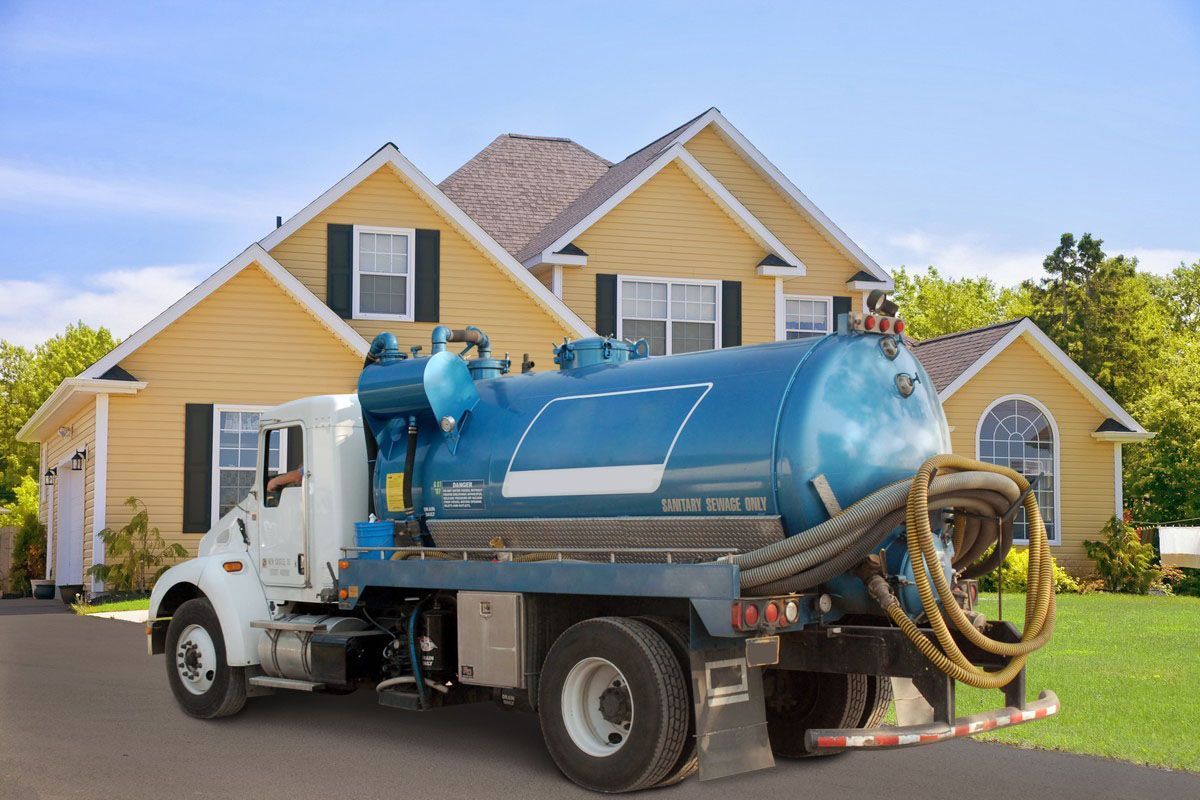
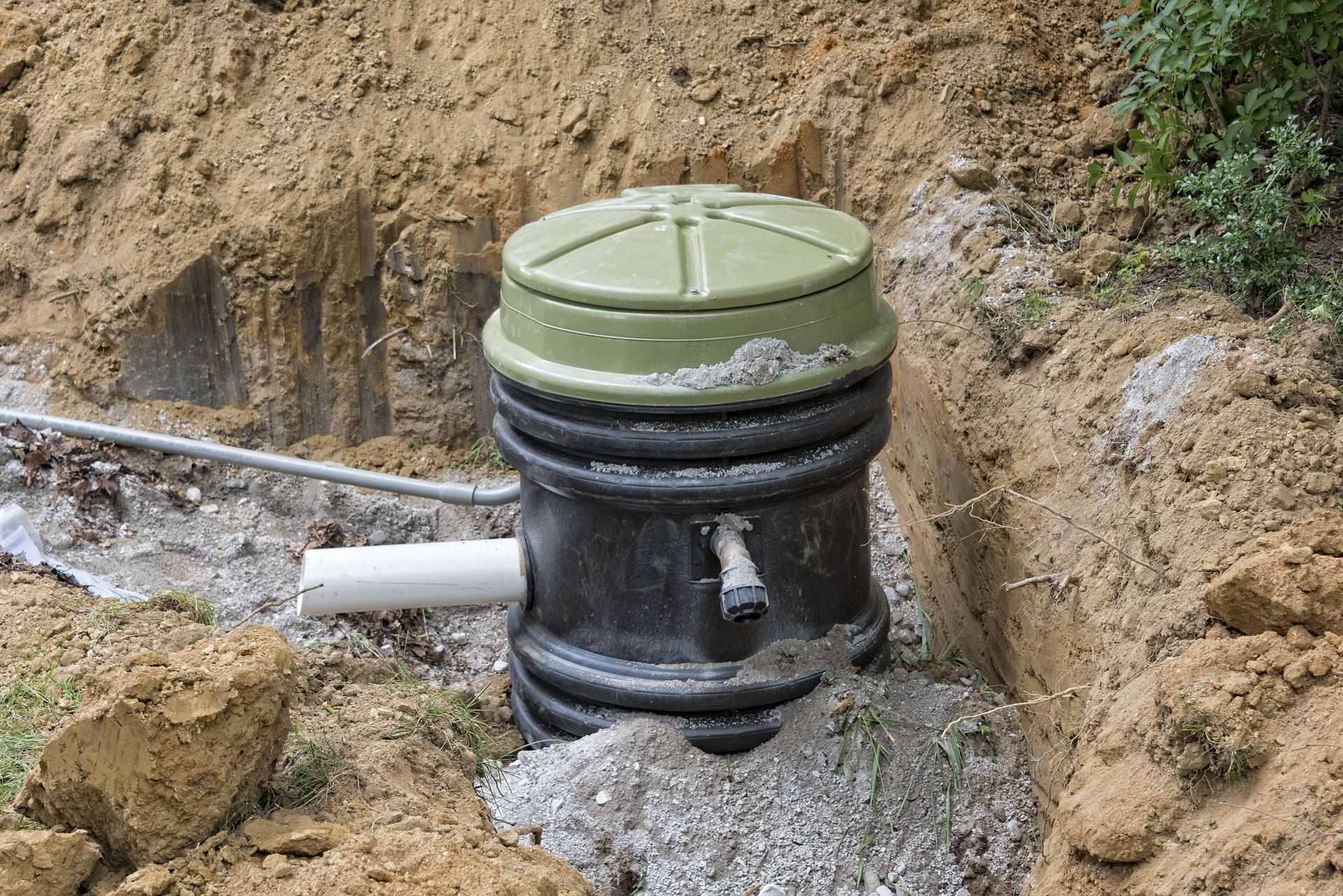
Maintaining a septic system is vital for proper household waste management. Neglecting regular care can lead to serious health hazards, environmental contamination, and expensive repairs. Timely septic system pumping not only ensures the system functions efficiently but also prolongs its lifespan and safeguards your home. According to the Environmental Protection Agency, approximately 21.7 million U.S. households utilize septic tanks or cesspools for wastewater treatment, accounting for about 18% of all households—nearly one-fifth of the nation's homes. Recognizing early warning signs of septic problems allows homeowners to act proactively, preventing costly emergencies.
Slow Drains and Plumbing Backup Issues
One of the first indicators that a septic system may require attention is slow drainage throughout the home. Water that lingers in sinks, bathtubs, and showers can signal that the septic tank is approaching capacity. Over time, waste accumulation restricts proper flow, slowing the drainage system. Homeowners might notice these issues worsening gradually, or they may appear suddenly after a period of heavy water usage.
Frequent clogs and backups often accompany slow drains. When a tank is nearly full, waste cannot flow freely, causing blockages in pipes. Homeowners may attempt temporary solutions like plunging drains or chemical cleaners, but these only address symptoms rather than the root cause. Overusing chemical drain cleaners can even damage the delicate bacterial balance in the septic tank, reducing its efficiency. The most effective response is scheduling septic system pumping, which removes excess waste and restores optimal flow.
Slow drainage can also affect household appliances. Dishwashers, washing machines, and garbage disposals rely on adequate water flow to operate correctly. A tank nearing capacity can lead to inefficient cycles, incomplete washing, or even appliance damage. Regular maintenance and timely pumping ensure appliances continue to function properly and prevent minor plumbing issues from escalating.
Unpleasant Odors Inside and Outside the Home
Persistent, unpleasant odors are another clear sign of septic system distress. Indoor foul smells often originate from drain lines or plumbing vents when gases escape from a full tank. Not only are these odors unpleasant, but they also pose potential health risks due to the presence of bacteria and harmful gases.
Odors around the yard or near the drain field can indicate wastewater surfacing due to tank overload. These outdoor smells can disrupt recreational activities and may point to a failing system. Even vent pipes, designed to safely release gases, can emit stronger or abnormal odors when the tank is overfilled.
Many homeowners attempt to mask these smells with chemical additives or air fresheners, but this only provides temporary relief. The long-term solution is proper septic system pumping and regular maintenance. By addressing the source rather than masking the odor, homeowners maintain a safer and more hygienic environment while protecting the system from additional stress.
Standing Water and Yard Saturation
Standing water or unusually wet areas near the septic drain field indicate that the system may be failing to process wastewater effectively. While temporary puddles may form after heavy rain, persistent saturation suggests septic overflow or drain field inefficiency.
This condition can lead to soil erosion, lawn damage, and the spread of nutrient-rich wastewater, which may encourage algal growth in nearby water sources. Rapid vegetation growth over certain areas of the yard often accompanies these water issues, signaling excess nutrients from the septic system. Homeowners should monitor their yards carefully, and if pooling water or lush, patchy vegetation appears, scheduling septic system pumping is a critical step in preventing further damage.
Additionally, depressions or sunken areas in the lawn can indicate subsidence caused by leaks or soil collapse around the septic system. Observing changes in soil stability alongside standing water provides valuable insight into when pumping and inspection are necessary to maintain both system function and yard integrity.
Water Quality and Well Contamination Concerns
Septic system failures can directly impact water quality, particularly for homes relying on private wells. High nitrate levels or other contaminants in well water often indicate leakage from an overfull septic tank. This contamination poses serious health risks, especially for infants, pregnant women, and other vulnerable populations.
Regular well water testing combined with proper septic system pumping can help prevent these issues. A full septic tank may also increase the risk of cross-contaminating nearby groundwater sources. Preventive pumping ensures wastewater is effectively contained, reducing the risk of environmental contamination and maintaining safe drinking water for the household. Observing seasonal water table changes is another helpful strategy, as high water levels during rainy seasons can exacerbate septic system issues, making timely pumping even more critical.
Excessive Vegetation Growth and Drain Field Issues
Abnormal vegetation patterns over the drain field are often subtle but important warning signs of septic system problems. Rapid, unusually lush growth in localized areas may indicate nutrient-rich wastewater leaking from the tank. Conversely, patchy or discolored grass can reflect uneven discharge or soil saturation, suggesting drain field inefficiency. These changes are often among the earliest visible signs of system strain and should not be ignored, as they can point to underlying issues that, if left unaddressed, may lead to costly repairs or environmental contamination.
Root intrusion is another major concern. Fast-growing trees or plants may extend their roots into drain pipes or other components of the septic system, causing blockages, reduced drainage efficiency, or even physical damage to the infrastructure. Early detection of these patterns is crucial. Homeowners who notice irregular vegetation growth can schedule timely septic system pumping and professional inspections to prevent these minor issues from escalating into more serious problems.
Effective lawn management also supports septic system health. Keeping grass short over the drain field allows for easier inspection and early detection of unusual growth or wet areas. Strategic landscaping—such as planting shallow-rooted species near the septic area and avoiding deep-rooted trees or shrubs—reduces the risk of root intrusion.
Frequent Need for Septic Pumping and Household Impact
Some households may notice a recurring need for septic tank pumping. While some frequency is normal, unusually frequent pump-outs often indicate that the system is under strain, whether from high water usage, additional family members, or a tank that is too small for current demands.
Tracking historical pumping intervals provides insight into trends and helps plan preventive maintenance. Homes with higher water consumption, such as those with multiple occupants, may require more frequent septic system pumping to maintain optimal performance. Similarly, older systems may struggle to keep up with increased household demands, making regular pumping and occasional upgrades necessary to avoid emergencies.
Monitoring usage patterns and tank performance ensures that households can address system needs proactively, protecting plumbing, appliances, and overall home functionality. Strategic planning around pumping intervals also reduces the risk of system failure and unexpected repair costs.
Proper septic system maintenance is essential for home safety, environmental protection, and long-term cost savings. By recognizing the key warning signs—slow drains, foul odors, standing water, vegetation changes, and water quality concerns—homeowners can act before small problems become emergencies. Timely septic system pumping restores system efficiency, prevents contamination, and prolongs the lifespan of your septic infrastructure.
Regular monitoring, observation of seasonal changes, and adherence to scheduled maintenance provide peace of mind and protect both your home and yard. Don't wait until you experience a major backup or costly repair—schedule professional
septic system pumping
today with CSI-Culley's Septic Inc to confirm your septic system continues to function safely and efficiently for years to come.