August 12, 2026
A healthy landscape can add beauty, shade, and value to your property, but homeowners with onsite wastewater systems must be careful about what they plant near critical underground components. While a lush yard may seem harmless, certain plants can cause costly damage when roots spread into sensitive areas. Understanding which vegetation works well around a drainfield and which should be avoided can help protect your septic system for years to come.
Many homeowners are surprised to learn how much their landscaping choices affect wastewater performance. According to This Old House, more than one-quarter of Americans rely on a septic tank to manage household waste, making proper maintenance an important responsibility. Because drainfields depend on healthy soil conditions and unobstructed wastewater flow, selecting the right plants is just as important as regular inspections and pumping. With a little planning, you can enjoy a beautiful yard without putting your system at risk.
Groundcovers
Groundcovers are among the safest planting options for most drainfields because they typically have shallow root systems that stay near the soil surface. These plants help reduce erosion, improve appearance, and stabilize soil without aggressively seeking moisture deep underground. Many varieties also require minimal maintenance once established, making them ideal for homeowners who want a practical landscaping solution.
Grasses are often considered the best choice for drainfield areas. Turfgrass, ornamental grasses, and native meadow grasses generally have root systems that do not interfere with underground components. Their ability to absorb moisture while protecting soil from erosion makes them a reliable option for maintaining a healthy drainfield.
Low-growing flowering plants can also provide color without creating root-related concerns. Species such as creeping thyme, wildflowers, and certain native perennials offer visual appeal while remaining relatively noninvasive. Before planting, it is always wise to verify mature root depth and growth habits to ensure compatibility with your property.
Groundcovers provide another important benefit by allowing proper airflow and evaporation. Drainfields function best when excess moisture can naturally leave the soil through evaporation and plant uptake. Dense vegetation that remains shallow-rooted supports these processes while helping maintain attractive outdoor spaces.
Shrubs
Shrubs require more careful consideration because root structures vary significantly between species. Some compact shrubs have relatively modest root systems, while others can spread extensively in search of moisture and nutrients. Choosing appropriate varieties and maintaining adequate distance from the drainfield are essential steps in protecting a septic installation.
Small ornamental shrubs may be suitable when planted near the outer edges of the drainfield area rather than directly above it. Dwarf varieties often present fewer risks because their roots generally remain proportionate to their size. Even so, monitoring growth over time is important because roots can expand farther than many homeowners expect.
Large shrubs and vigorous species should generally be avoided near wastewater components. Plants known for aggressive growth can eventually infiltrate pipes, distribution boxes, or surrounding soil treatment areas. Once roots invade these spaces, repairs can become complicated and expensive.
Proper placement remains the key to success when incorporating shrubs into your landscape design. Consulting local landscaping professionals or wastewater experts can help determine safe setback distances based on the species being considered. This proactive approach allows homeowners to enjoy decorative plantings without jeopardizing the performance of a septic system.
Trees
Trees create the greatest concern around drainfields because their roots naturally seek water sources. Even when a tree appears healthy and distant from underground infrastructure, roots can extend surprisingly far beneath the surface. Certain species are particularly aggressive and capable of causing significant damage to wastewater systems.
Willows, poplars, maples, and similar moisture-seeking trees are often cited as poor choices near drainfields. Their extensive root networks can travel long distances and infiltrate underground components when opportunities arise. Once roots enter pipes or treatment areas, wastewater flow may become restricted, leading to costly repairs and operational problems.
Not every tree presents the same level of risk. Slow-growing ornamental species with less aggressive root systems may sometimes be planted at safe distances from drainfields. However, determining appropriate placement requires consideration of mature size, root behavior, soil conditions, and property layout.
Homeowners should think beyond a tree’s current size and consider its future growth. A young sapling may appear harmless today, but decades of development can dramatically increase root spread. Protecting a septic drainfield often means sacrificing certain tree placements in favor of long-term system reliability.
Removing problematic trees may sometimes be necessary when roots threaten wastewater infrastructure. Although tree removal can feel disappointing, it may prevent far greater expenses associated with system failure. Professional evaluation can help determine whether relocation, removal, or ongoing monitoring is the most appropriate solution.
Boundaries
Establishing clear boundaries around a drainfield can help prevent accidental damage from future landscaping projects. Many homeowners forget where underground components are located, especially years after installation. Marking the area with landscape plans or discreet yard markers can reduce the risk of planting unsuitable vegetation later.
Family members, contractors, and gardeners should also understand the importance of protecting the drainfield area. Without proper awareness, someone may unknowingly plant a fast-growing tree or install a feature that interferes with wastewater treatment. Communicating these restrictions helps ensure that everyone working on the property follows the same guidelines.
Creating visual boundaries can make drainfield management easier while maintaining an attractive landscape design. Decorative borders, native grass zones, or designated garden areas can naturally direct planting activities away from sensitive locations. These simple measures help preserve system performance while allowing homeowners to enjoy a functional and beautiful yard.
Maintenance
Maintenance practices play a major role in preserving both landscaping and wastewater performance. Even safe plant selections can create challenges if the area is subjected to heavy traffic, excessive irrigation, or improper care. Maintaining healthy conditions around a septic drainfield helps ensure that wastewater continues to disperse and filter effectively.
Overwatering should be avoided because drainfields already receive moisture from household wastewater. Excess irrigation can saturate the soil and reduce its ability to properly treat and absorb effluent. Selecting drought-tolerant plants often makes maintenance easier while reducing the risk of oversaturation.
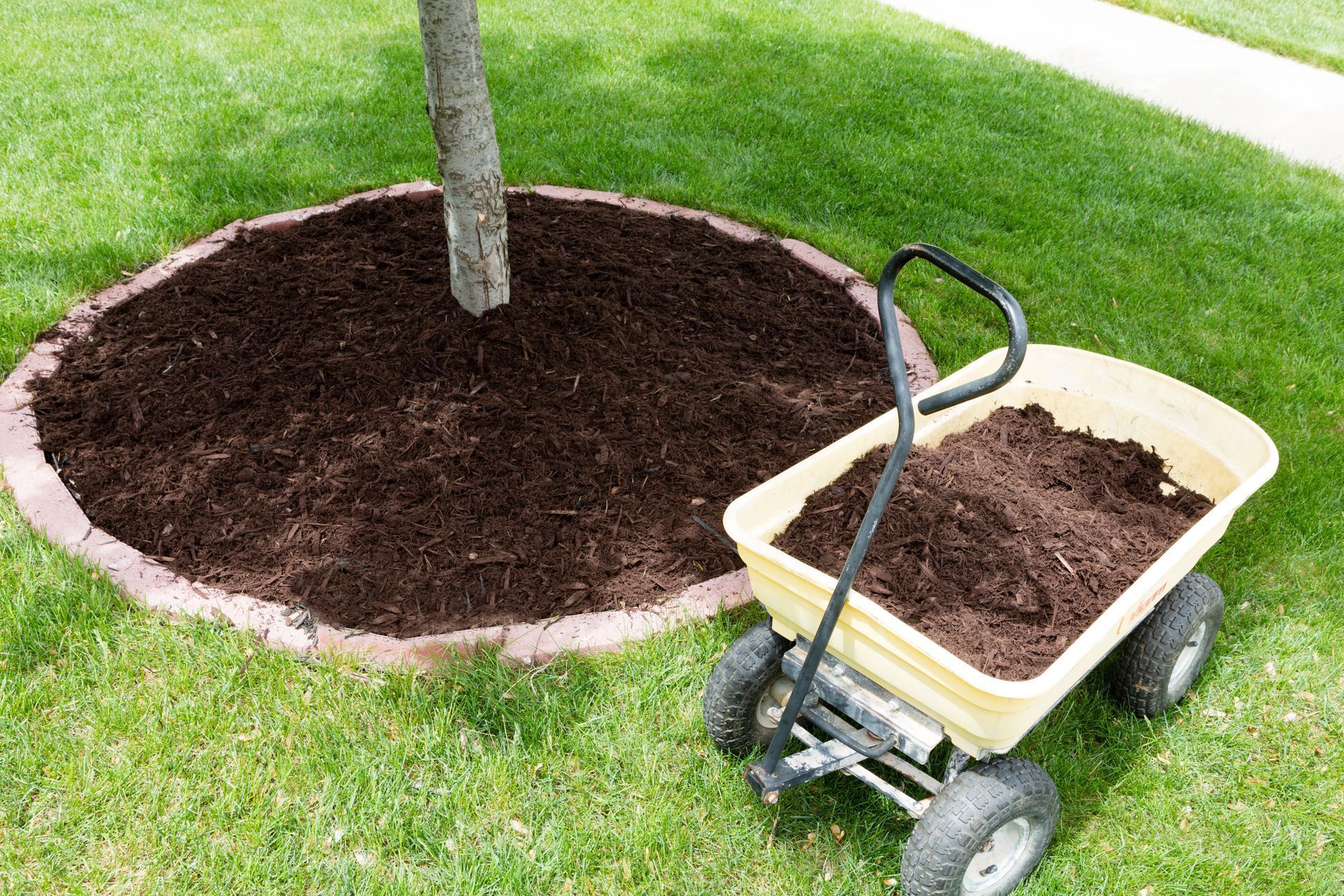
Mulch should be used carefully and in moderation. While mulch can help retain moisture and suppress weeds, excessively thick layers may interfere with airflow and evaporation. Lightweight applications that support plant health without smothering the soil are generally preferable.
Regular inspections of vegetation can reveal developing problems before they become severe. Watch for unusually vigorous plant growth, wet spots, standing water, or signs that roots may be affecting underground components. Early detection often allows homeowners to address concerns before they impact septic performance.
Avoid installing hardscape features such as patios, sheds, or retaining walls over drainfield areas. These structures can compact soil, restrict airflow, and interfere with normal wastewater treatment processes. Preserving open, vegetated space remains one of the most effective ways to support long-term drainfield function.
Professional evaluations can provide additional peace of mind for homeowners who are unsure about landscaping decisions. Experienced technicians understand how vegetation, soil conditions, and wastewater systems interact. Their guidance can help ensure that landscaping improvements complement rather than compromise a
septic investment.
Creating a beautiful landscape around your drainfield does not require sacrificing curb appeal or limiting your gardening ambitions. By choosing shallow-rooted groundcovers, carefully selecting shrubs, avoiding aggressive trees, and following smart maintenance practices, homeowners can protect their property while enjoying attractive outdoor spaces. Thoughtful planning today can help prevent costly repairs tomorrow and keep your system operating efficiently for many years.
At CSI-Culleys Septic, we help homeowners protect their wastewater systems through expert inspections, maintenance, and guidance. We understand how landscaping decisions can affect long-term performance, and we are here to answer your questions. Contact us today, and let us help you keep your drainfield healthy, efficient, and problem-free.