November 7, 2026
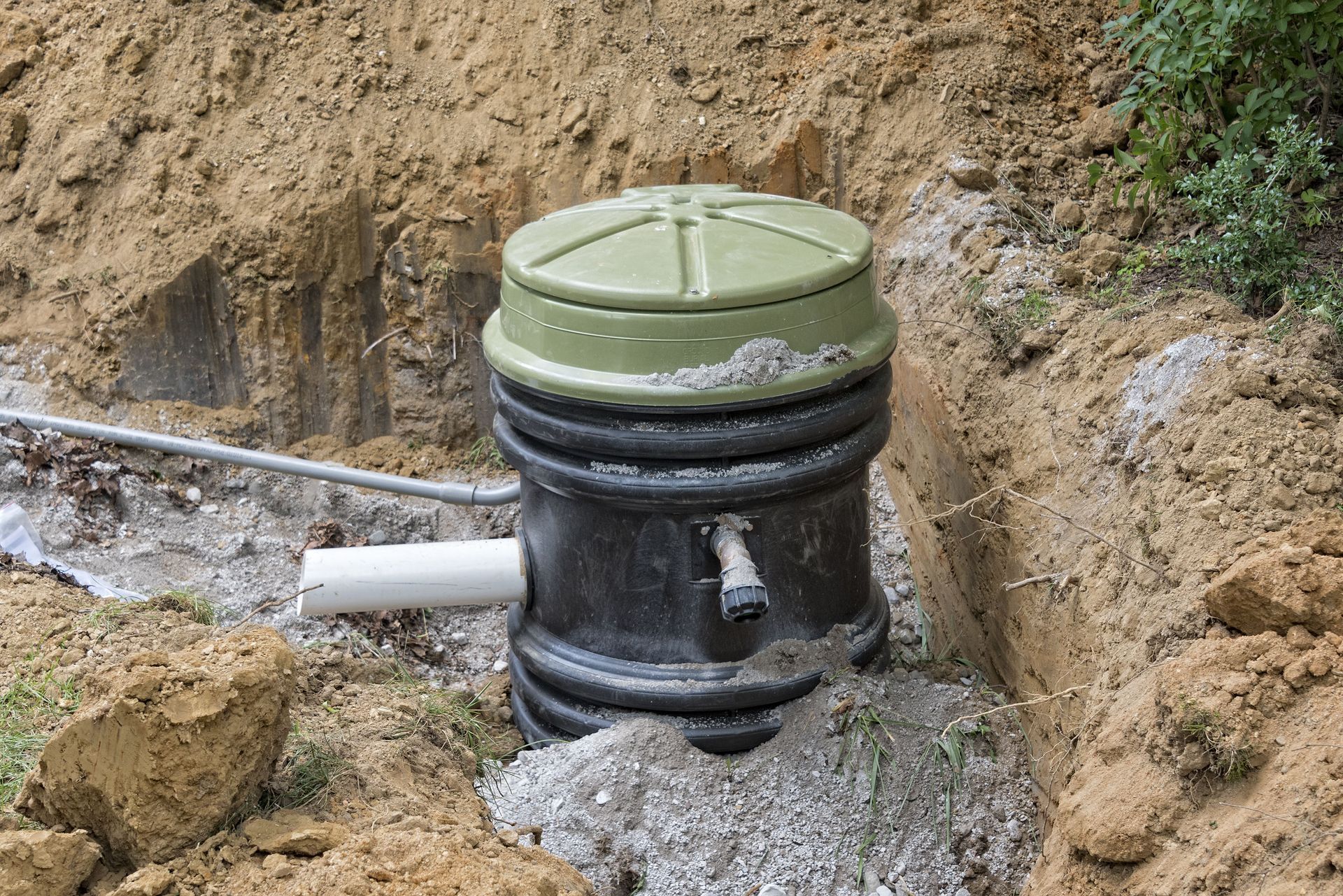
Septic systems provide essential independent wastewater management for many households. A standard system consists of a tank and a drain field designed to separate and treat wastewater. Waste enters the tank where solids settle and anaerobic bacteria initiate the breakdown of organic material. The liquid portion then flows into the drain field for secondary processing by soil micro-organisms. According to This Old House, a two- to three-bedroom house usually requires a minimum of a 1000-gallon capacity tank to allow adequate settlement time. Maintaining proper physical components and biological processes ensures long-term operational health and prevents sudden, expensive failures for homeowners requiring professional septic services.
Bacteria serve as the fundamental drivers of decomposition within any system. These micro-organisms continuously reduce solid waste into sludge, liquid, and gas. Preserving this natural ecosystem is vital because harsh chemicals, drain cleaners, and antibacterial soaps can disrupt microbial life. While many commercial products promise to bolster these bacterial populations, a well-maintained system naturally creates the precise environment needed to process domestic waste without intervention. Fostering natural bacterial balance through careful waste disposal habits ensures your system operates at peak performance for years to come.
Recognizing System Challenges and Maintenance Needs
Even robust residential waste setups can encounter issues like clogs, structural leaks, and slow waste degradation. Clogs generally form when non-biodegradable items enter the drains or when sudden water volume overloads the tank capacity. Leaks in the tank or drain field pose serious risks of environmental contamination and can damage surrounding property. Early detection through routine inspections helps property owners catch these issues before they escalate into major disruptions. Monitoring water usage and watching for warning signs like slow drains ensure issues are resolved promptly by professional septic services.
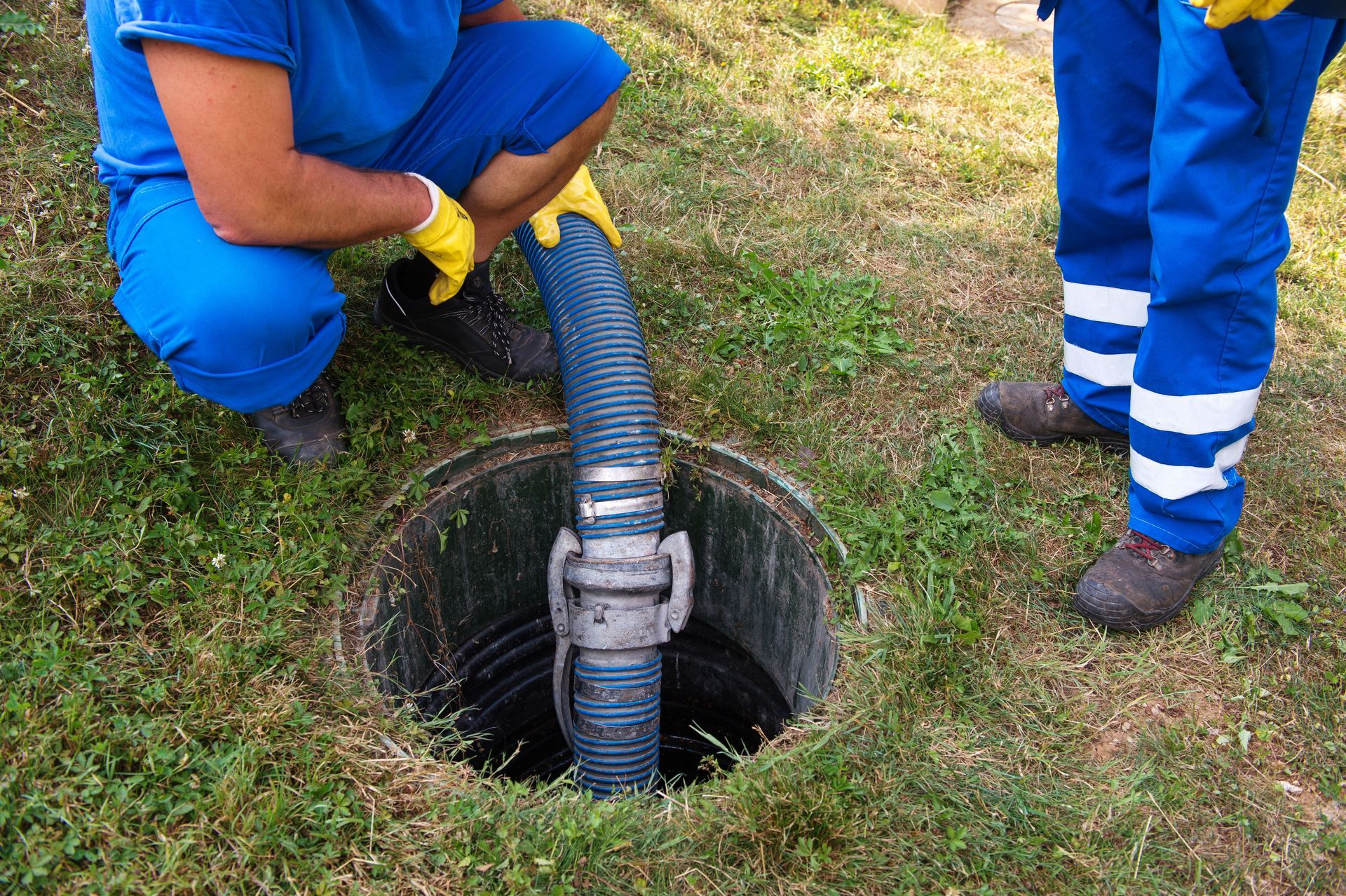
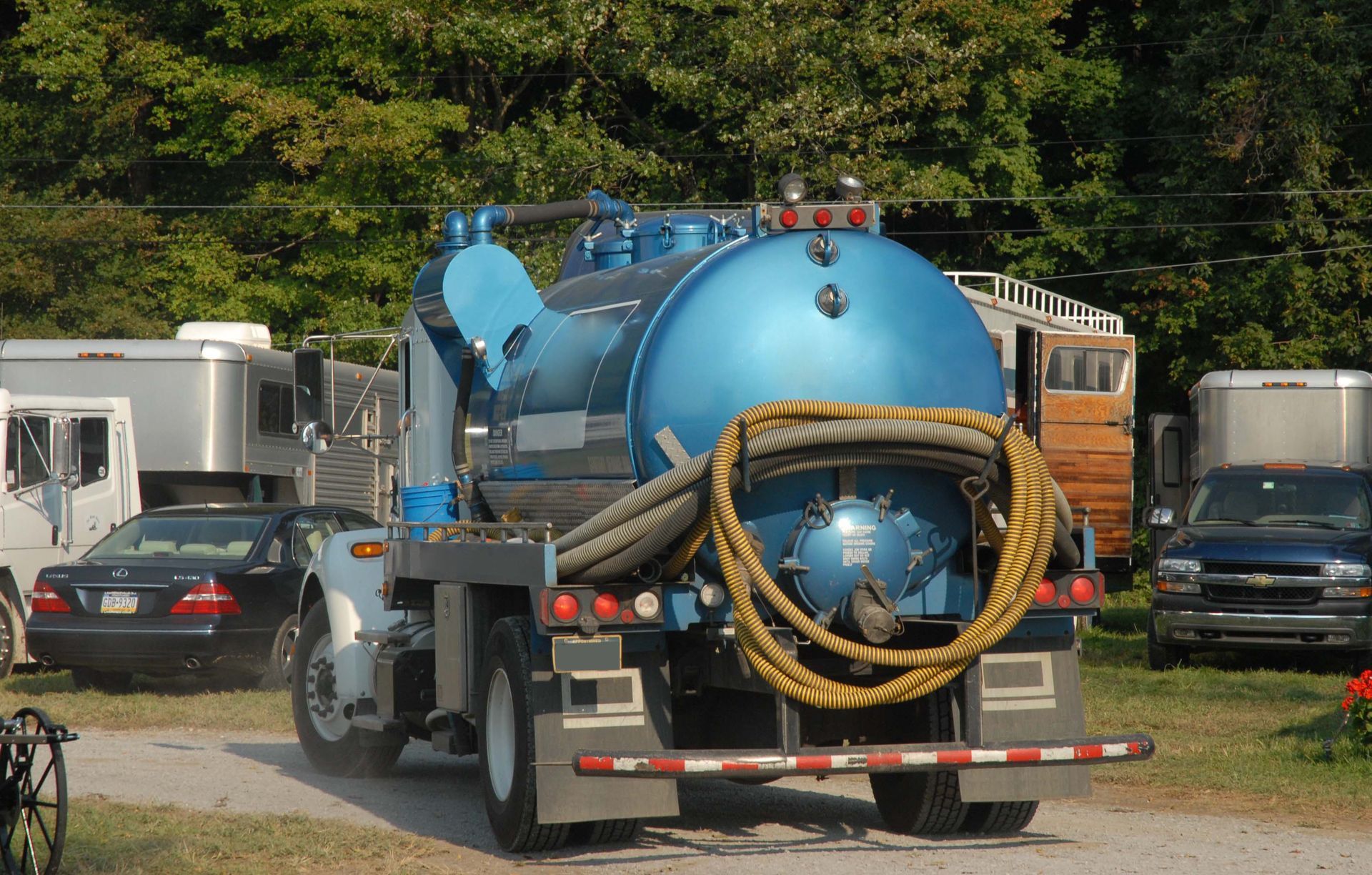
Long-term operational success depends directly on consistent preventative care. Periodic inspections, routine tank pumping every three to five years, and mindful water use protect system infrastructure. Pumping removes accumulated solids that biological processes cannot break down, preventing system overflows. Educating household members about proper flushing habits protects the structural and biological balance of the system. Proactive maintenance remains the single most reliable way to prevent backups, protect local ecosystems, and maximize the operational lifespan of your household infrastructure.
Evaluating the Role of Additives in System Health
The use of septic tank additives has grown in popularity as a supplemental strategy for maintaining system performance. These commercial formulations promise enhanced bacterial activity, improved waste breakdown, and reduced household odors. However, their actual necessity remains a topic of continuous discussion among industry specialists. Advocates suggest these products provide valuable biological support for heavy-use households, while long-term observation shows that naturally balanced systems rarely require external supplementation. Homeowners should evaluate product claims carefully before introducing chemical or biological treatments to their waste systems.
Determining whether additives offer genuine utility requires understanding their basic composition. Market options typically include enzymes, live bacterial cultures, or chemical compounds engineered to dissolve stubborn waste matter. While these ingredients sound beneficial in theory, a properly designed and regularly serviced tank naturally sustains the precise micro-flora necessary for efficient decomposition. Utilizing professional septic services for regular system evaluations helps homeowners decide whether special treatments are appropriate for their specific household setups, ensuring safe and effective ongoing care.
Exploring Biological and Chemical Additive Options
Biological additives feature concentrated strains of bacteria and enzymes designed to bolster natural decomposition processes. Manufacturers position these products as recovery tools after household chemicals or cleaning agents disrupt internal bacterial colonies. While introduce-able microbes can support waste processing after major system disruptions, healthy setups maintain their equilibrium naturally. Responsible homeowners should consult qualified technicians before applying biological treatments, ensuring products complement established upkeep routines rather than creating redundant maintenance expenses.
Chemical additives utilize strong acidic or alkaline agents engineered to dissolve dense organic blockages within pipes and tanks. Although these aggressive treatments can clear heavy obstructions without manual intervention, they carry substantial risks to system health. Harsh chemicals can corrode concrete or plastic structures and eliminate beneficial bacterial populations. Property owners seeking reliable septic services should avoid certain chemical applications, opting instead for mechanical clearing methods and professional guidance that preserve structural integrity and environmental safety.
Examining Organic and Inorganic Treatment Alternatives
Organic additives use plant-derived materials and natural acids to support system functionality while minimizing environmental impact. These non-toxic products focus primarily on controlling persistent odors and encouraging mild microbial growth without damaging pipe infrastructure. Environmentally conscious homeowners often choose organic formulations for gentle, ongoing care. While organic solutions pose minimal risks of structural damage, their long-term efficacy remains modest, serving best as gentle supplemental support alongside established maintenance schedules.
Inorganic treatments consist of synthetic chemical compounds targeted at severe blockages resistant to conventional cleaning. These potent formulations quickly alter waste composition inside the tank, offering fast relief for sluggish drainage. However, their harsh chemical nature can disrupt soil ecology around drain fields and compromise long-term system durability. Relying on inorganic chemicals often leads to premature component degradation, making regular inspections and professional septic services a far safer investment for long-term home health.
Understanding Enzyme Formulations and Efficacy Studies
Enzyme-based additives act as biological catalysts, accelerating the breakdown of specific organic waste components like starches, proteins, and fats. By targeting complex molecules, enzyme treatments can improve fluid flow and reduce scum accumulation in drainage lines. While enzyme formulas offer safe, non-corrosive assistance for minor slowdowns, they cannot eliminate solid sludge accumulation or replace mechanical pumping. Utilizing targeted enzyme care under professional supervision ensures these tools serve as effective secondary aids within a complete home maintenance plan.
Numerous independent studies evaluating additive performance demonstrate mixed results across different operating environments. Scientific research shows that well-maintained residential tanks already maintain ideal microbial conditions, rendering continuous additive reliance largely ineffective. Industry data confirms that routine physical care provides superior system longevity compared to unproven chemical treatments. Property owners achieve the best results by focusing resources on verified maintenance practices rather than commercial quick-fix additives.
Evaluating Market Claims Against Scientific Research
Marketing campaigns frequently promise that regular additive treatments eliminate the need for physical tank pumping. Scientific evidence directly contradicts these claims, demonstrating that non-biodegradable solids and heavy sludge accumulate regardless of microbial activity. Relying on commercial treatments to skip routine pumping often leads to severe drain field clogging and costly structural failures. Understanding the limits of chemical additives protects homeowners from misleading marketing and ensures proper system maintenance.
Long-term system health relies on combining verified biological principles with routine professional maintenance. Rather than searching for synthetic shortcuts, property owners should focus on consistent inspection schedules, controlled water usage, and safe disposal habits. Partnering with licensed service providers ensures accurate system monitoring, timely pumping, and dependable advice tailored to your specific setup. Investing in proven care strategies preserves home infrastructure, protects property value, and maintains clean environmental conditions for years to come.
Implementing Proactive Care Strategies for System Reliability
Proactive care remains the most effective strategy for preventing unexpected plumbing emergencies. Managing daily water usage prevents system overloading, giving solid waste adequate time to settle properly. Keeping harmful chemicals, grease, paint, and certain items out of household drains protects delicate microbial colonies. Simple behavioral habits significantly reduce mechanical stress on system components, ensuring reliable waste processing and reducing the frequency of emergency repairs for busy households.
Partnering with reliable industry specialists ensures your waste management system receives comprehensive, continuous protection. Professional technicians evaluate tank conditions, measure sludge levels, and identify subtle structural vulnerabilities before minor issues develop into major failures. Scheduled pumping and thorough inspections keep your setup operating efficiently in all seasons. For dependable system evaluations, routine pumping, and complete maintenance solutions, trust the experienced team at CSI-Culley's Septic Inc.