June 15, 2026
A septic system plays an essential role in managing wastewater for homes that are not connected to municipal sewer systems. While these systems are designed to operate efficiently for many years, they still require routine maintenance to function properly. One of the most important aspects of that maintenance is septic system pumping. Many homeowners have questions about how the process works, why it matters, and what they can expect when scheduling service.
Understanding the basics of septic system maintenance can help property owners make informed decisions about the care of their wastewater systems. Many homeowners are unfamiliar with how septic tanks function or what type of maintenance is required to keep them operating efficiently. As a result, important services may be delayed until noticeable problems arise. Learning about routine maintenance practices can help homeowners better understand the needs of their system and recognize the value of preventive care. Staying informed can also reduce uncertainty when scheduling service and make it easier to communicate with qualified professionals.
Understand What Septic System Pumping Involves
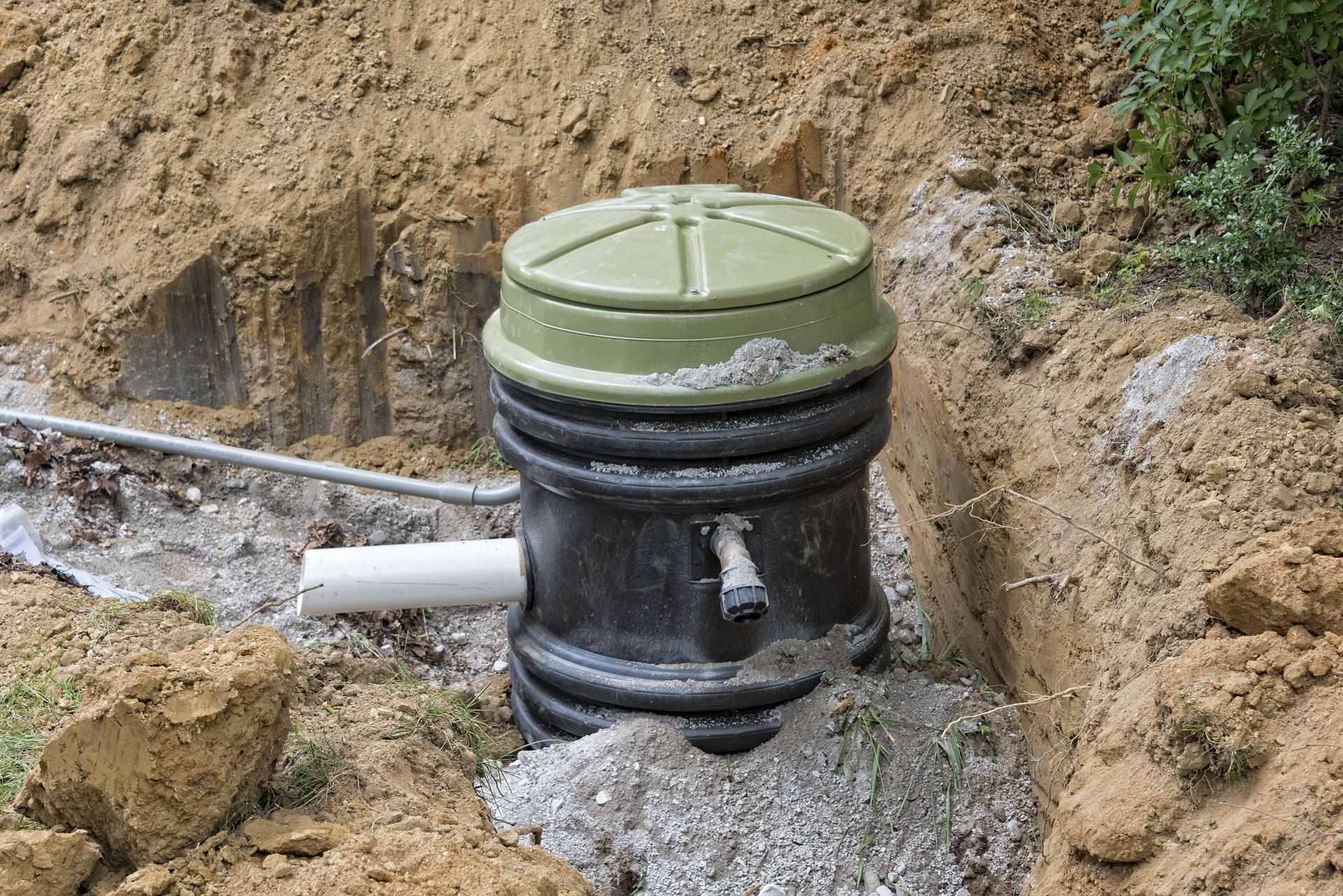
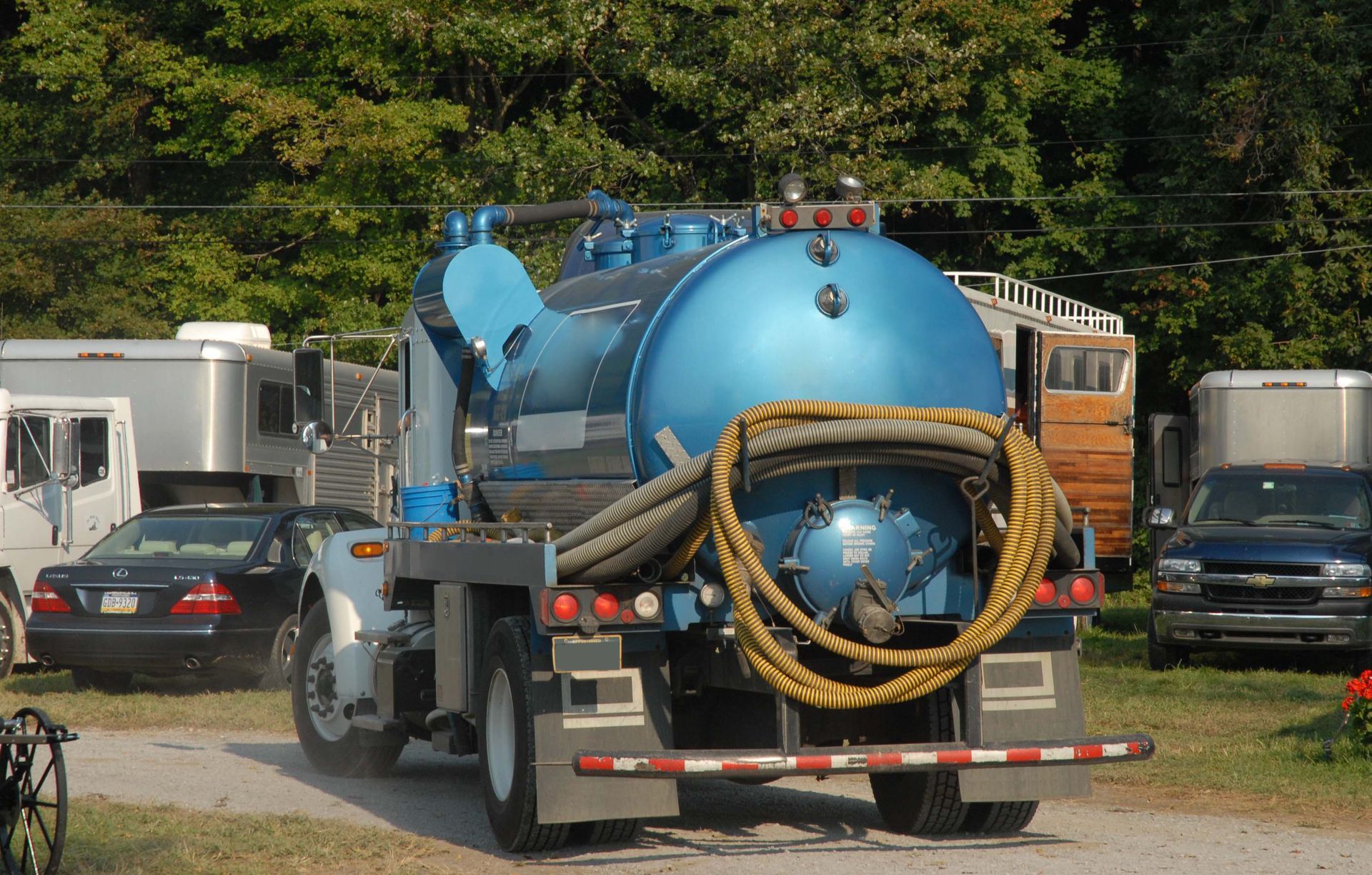
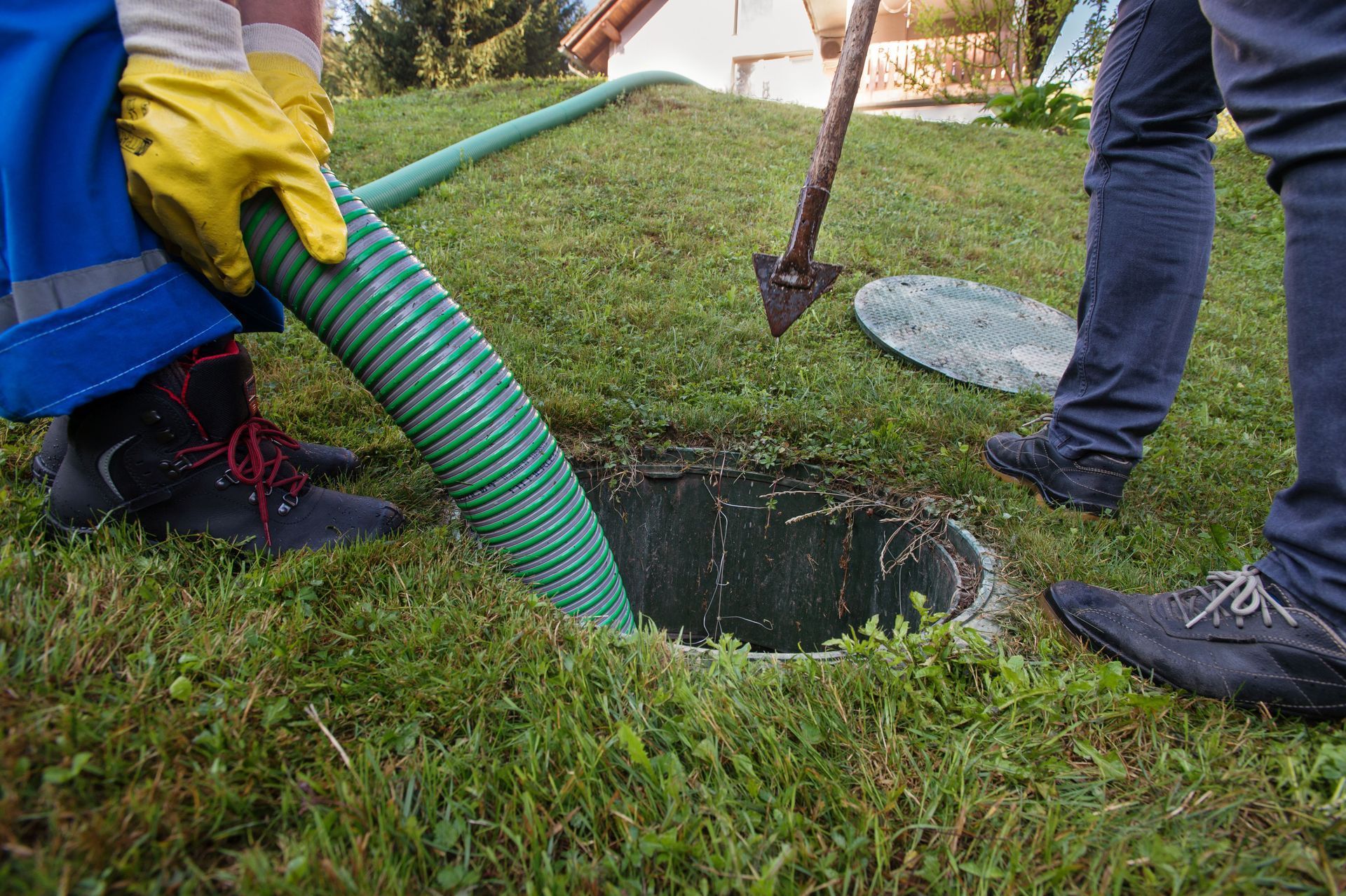
One of the most common questions homeowners ask is what exactly happens during septic system pumping. Over time, solid waste accumulates inside the septic tank while wastewater flows through the system. As solids settle and build up, the tank gradually loses available capacity. During septic system pumping, a trained professional removes the accumulated sludge and floating materials from the tank using specialized equipment.
This process helps restore proper tank function and allows the system to continue operating efficiently. Pumping is not a repair service; instead, it is a preventive maintenance procedure designed to help reduce strain on the entire wastewater system.
Many people are surprised to learn how many households rely on septic systems. According to the Environmental Protection Agency, approximately 21.7 million homes in the United States depend on septic tanks or cesspools for wastewater treatment, representing about 18% of households nationwide. This highlights the importance of proper maintenance practices for a significant portion of the population.
Learn Why Regular Pumping Matters
Another frequently asked question concerns the importance of routine service. When solids remain in a septic tank for too long, they can begin to interfere with normal system operation. Excessive buildup may increase the likelihood of clogs, slow drainage, unpleasant odors, and additional stress on system components.
Regular septic system pumping helps remove accumulated waste before it reaches problematic levels. This proactive approach supports efficient wastewater treatment and helps protect the long-term performance of the system.
Professional maintenance can also provide an opportunity to identify developing concerns before they become more serious. Catching issues early often allows for more manageable solutions and may help prevent disruptions to daily household activities.
Recognize Common Signs That Service May Be Needed
Homeowners often wonder how they can tell when it may be time to schedule service. Although every property is different, certain warning signs can indicate that maintenance may be necessary. Slow-draining sinks, tubs, and toilets are among the most common indicators. Unpleasant odors near drains or around the septic area can also suggest that the tank requires attention.
Some property owners may notice standing water, unusually lush grass near the drain field, or recurring plumbing backups. While these symptoms do not always point directly to a full tank, they can signal that professional evaluation is needed.
Rather than waiting for a significant problem to occur, it is generally wise to consult a qualified septic professional whenever unusual system behavior becomes apparent. Prompt attention can help minimize potential complications.
Explore What Happens During a Professional Visit
Many homeowners feel more comfortable scheduling service once they understand what to expect during the appointment. A professional technician typically begins by locating and accessing the septic tank. Specialized equipment is then used to remove waste and accumulated solids from the tank. During the process, the technician may visually assess accessible components and note any concerns that warrant further attention.
The service is designed to be efficient while minimizing disruption to the property. Experienced professionals follow established procedures to ensure waste is handled and transported appropriately.
Homeowners often appreciate the opportunity to ask questions during the visit. Learning more about the condition of the system and recommended maintenance practices can help support informed decision-making in the future.
Consider Factors That Affect Pumping Frequency
One of the most frequently asked questions is how often pumping should occur. There is no universal schedule that applies to every property. Several factors influence maintenance needs, including household size, water usage habits, tank capacity, and the amount of solid waste entering the system.
Some households generate wastewater at a faster rate than others, which can affect how quickly solids accumulate. Certain lifestyle habits may also contribute to increased waste buildup within the tank.
Because every septic system operates under unique conditions, professional inspections and maintenance recommendations are valuable. An experienced service provider can help determine an appropriate schedule based on the specific needs of the property. Routine septic system pumping performed at suitable intervals can help maintain system efficiency and support long-term reliability.
Avoid Common Misconceptions About Septic Care
There are many misconceptions surrounding septic maintenance, and these misunderstandings can sometimes lead to avoidable problems. One common myth is that additives or chemical products can eliminate the need for septic system pumping. While certain products are marketed as maintenance solutions, they do not replace the removal of accumulated solids from the tank.
Another misconception is that a septic system only requires attention when a problem develops. In reality, preventive maintenance is often far more effective than waiting until symptoms become noticeable.
Some homeowners also assume that all septic systems have identical maintenance requirements. However, system design, usage patterns, and environmental conditions can all influence maintenance needs. Working with qualified professionals helps ensure that maintenance decisions are based on accurate information rather than assumptions or outdated advice.
Protect Long-Term System Performance
Many homeowners want to know what they can do to support the longevity of their septic system. The most effective strategy is consistent professional maintenance combined with responsible daily use. Avoiding excessive strain on the system and addressing concerns promptly can contribute to reliable performance over time.
Routine inspections allow professionals to monitor system condition and recommend services when appropriate. Maintaining awareness of how the system operates can also help homeowners recognize potential issues before they become more significant.
Regular septic system pumping remains one of the most important aspects of protecting system health. By removing accumulated waste and supporting proper operation, this service helps reduce unnecessary stress on critical components.
Investing in ongoing care can provide peace of mind while helping preserve the functionality of the entire wastewater treatment system. Regular maintenance allows homeowners to feel more confident that their septic system is operating as intended and less likely to experience unexpected disruptions. By addressing maintenance needs proactively, property owners can help reduce the risk of inconvenient backups, drainage issues, and other problems that may affect daily household activities.
Proper maintenance is essential for keeping a septic system operating efficiently and reliably. Understanding how septic system pumping works, recognizing signs of potential issues, and following professional recommendations can help homeowners avoid unnecessary complications and support long-term performance.
If you have questions about your system or are ready to schedule professional service, contact CSI-Culley’s Septic Inc today. Together, we can evaluate your needs, provide expert guidance, and help ensure your septic system continues to operate at its best for years to come.