Why Routine Septic Pumping Helps Protect Your Home and Property

May 22, 2026

When a septic system is working correctly, it is easy to forget how much it protects every part of a home. Wastewater leaves sinks, tubs, toilets, and appliances every day, and the system must separate solids, treat liquid waste, and move that water safely through the drain field. Routine septic pumping helps keep that process from becoming overloaded. Instead of waiting for odors, slow drains, or soggy areas in the yard, homeowners can use maintenance as a practical way to protect plumbing, soil, landscaping, and indoor comfort. A well-maintained system also supports better long-term planning because small service needs are usually easier to manage than sudden failures.


Protecting the System From Overload

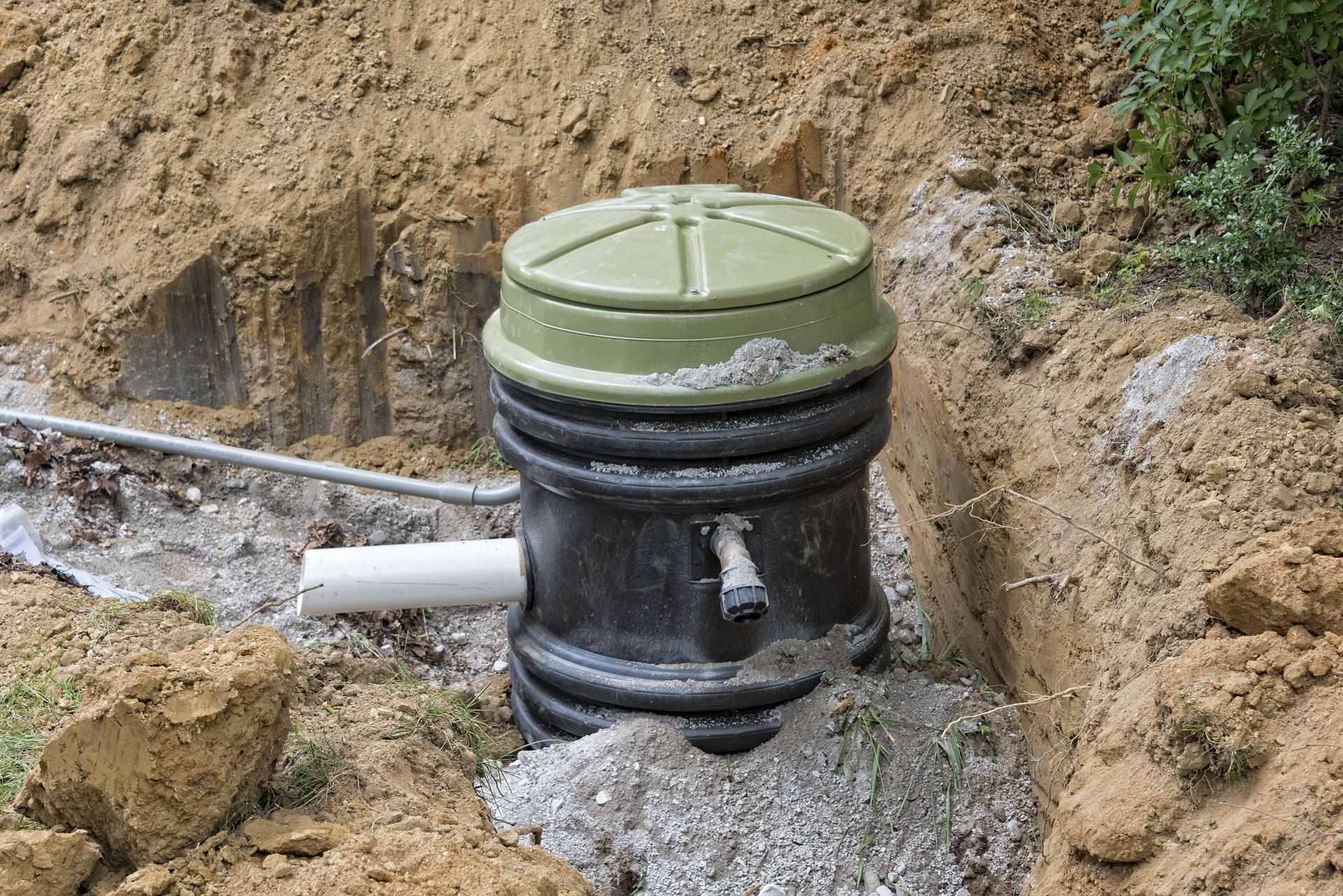
Every septic tank is designed with limited space. As wastewater enters the tank, heavier solids settle at the bottom, lighter materials rise to the top, and liquid wastewater moves into the drain field for further treatment. Over time, the solid layers grow thicker. If they are not removed, they can reduce the tank’s working capacity and push material where it does not belong.


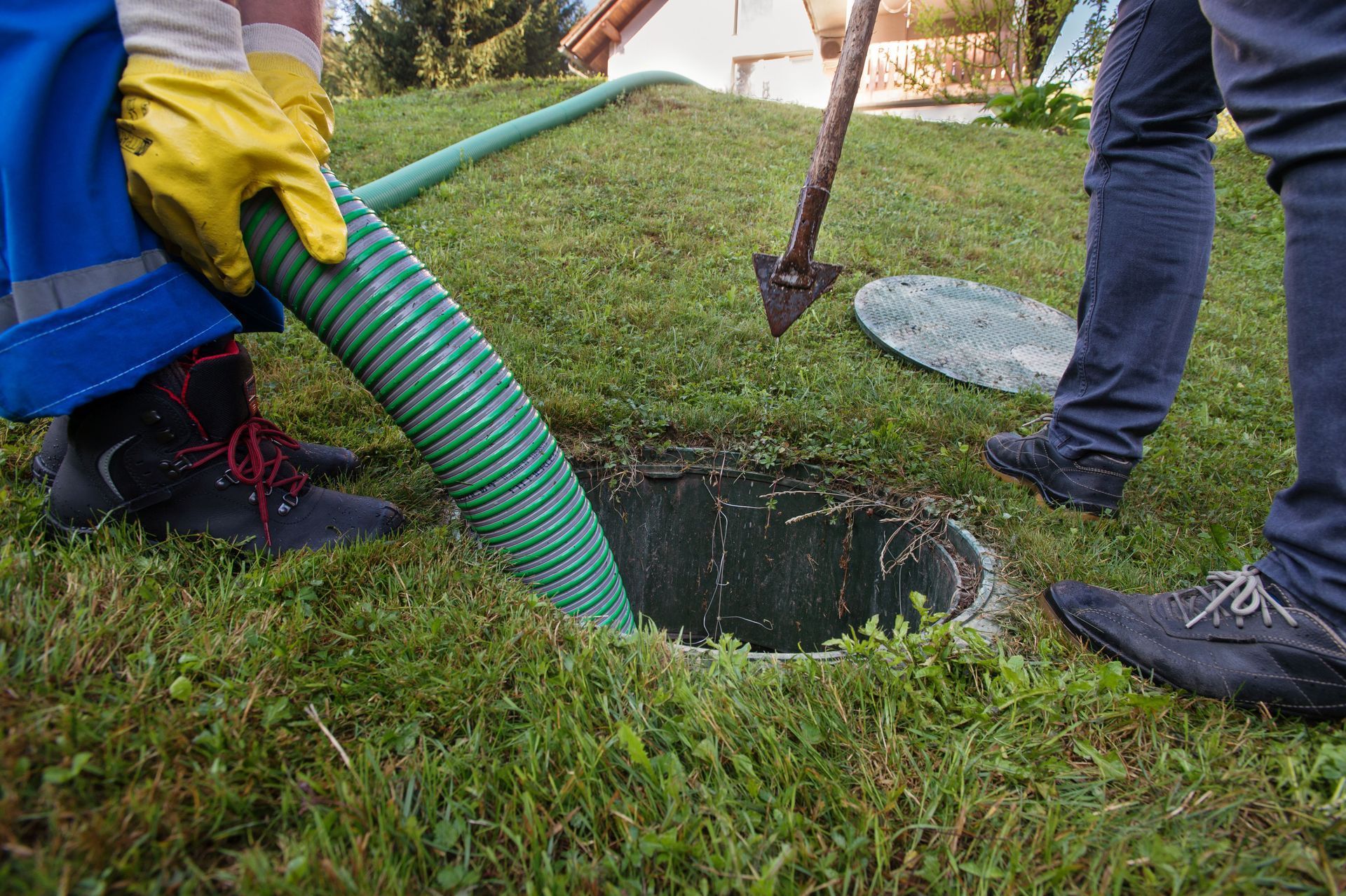
That is why septic pumping is so important for system balance. Pumping removes accumulated solids before they interfere with normal wastewater separation. Without it, the tank can become too full to handle daily household use, especially when several people live in the home or when laundry, showers, dishwashing, and cooking all happen within a short period. Regular maintenance gives the system room to function as intended and helps homeowners avoid preventable strain.


Reducing the Risk of Sewage Backups

A sewage backup is one of the most stressful septic problems a homeowner can face. It can bring contaminated wastewater into tubs, toilets, basement drains, or other low plumbing fixtures. Beyond the immediate mess, backups may require cleaning, disinfection, plumbing work, and damage repairs. They can also make parts of a home unusable until the issue is corrected.


Routine septic pumping helps reduce that risk by removing buildup before it blocks normal flow. When solids remain in the tank too long, they can move toward outlet pipes, filters, or the drain field. Once flow becomes restricted, wastewater may have nowhere to go but back toward the home. Slow drains, gurgling sounds, unpleasant odors, and recurring toilet problems can all be warning signs that the system is under pressure. However, waiting for symptoms can be risky. A proactive schedule is a safer way to protect the home and avoid a disruptive emergency.


Preserving Drain Field Performance

The drain field is one of the most important parts of the entire septic system. After wastewater leaves the tank, it moves into the soil, where natural filtration continues the treatment process. For this area to work correctly, liquid must be able to spread through the soil at a steady pace. If solids or grease escape the tank, they can clog drain field lines and reduce the soil’s ability to absorb wastewater.


Septic pumping protects the drain field by keeping excess solids inside the tank until they are professionally removed. This matters because drain field problems are often more expensive and complicated than routine maintenance. A damaged or saturated drain field may create standing water, foul odors, unusually green patches of grass, or wastewater surfacing on the property. Once soil absorption is affected, the solution may involve extensive repairs. Keeping the tank clean supports better flow and helps protect the most sensitive part of the system.


Preventing Hidden Property Damage

Septic issues do not always start with obvious warning signs. In some cases, problems develop underground long before homeowners notice anything inside the house. Excessive buildup can contribute to pipe blockages, leaks, saturated soil, erosion, or damage near landscaping and outdoor structures. By the time the signs become visible, the repair may already be more involved than expected.


Scheduled septic pumping gives professionals an opportunity to remove waste and check for early concerns. During service, technicians may notice issues such as unusual sludge levels, damaged components, worn lids, filter problems, or signs that wastewater is not moving properly. This information helps homeowners make informed decisions before a small concern becomes a larger property issue. Preventive service is especially valuable for homes with large yards, mature landscaping, wells, or outdoor living areas because wastewater problems can affect more than the plumbing system alone.


Supporting Healthier Household Wastewater Flow

Septic systems serve an essential public and household health purpose. According to the Environmental Protection Agency, more than 60 million Americans rely on septic systems for wastewater treatment, especially in rural and suburban areas without access to centralized sewer infrastructure. For these households, the septic system is not a backup feature. It is the main way wastewater is collected, separated, treated, and returned safely to the environment.


Because the system plays such a critical role, septic pumping supports more than convenience. It helps maintain cleaner wastewater flow, reduces the chance of untreated waste reaching the surface, and supports safer conditions around the home. It also encourages homeowners to think carefully about what goes down the drain. Grease, wipes, harsh chemicals, excessive paper products, and non-biodegradable items can all increase stress on the system. Pumping cannot correct every bad habit, but it gives the system a stronger foundation and helps keep everyday wastewater movement more reliable.


Extending the Life of Septic Components

A septic system includes several components that must work together: the tank, baffles, pipes, filters, distribution box, and drain field. When one part is strained, the rest of the system can be affected. Excess solids can damage baffles, clog filters, slow wastewater movement, and create pressure throughout the system. Over time, this stress may shorten the life of parts that would otherwise last much longer.


Routine septic pumping helps extend component life by limiting the amount of waste that builds up inside the tank. It also allows the service provider to evaluate how the system is aging. For example, if a tank fills unusually fast, that may point to heavy water use, groundwater infiltration, or a system that is undersized for the household. If filters clog often, the tank may need attention more frequently. These details help homeowners adjust maintenance schedules and protect their investment with practical, timely service.


Planning Maintenance Before Problems Grow

Many homeowners only think about septic service when something goes wrong, but a routine schedule is usually the better approach. The right timeline depends on tank size, household size, water use, garbage disposal use, and the system’s condition. A small household may not need service as often as a large family, but every system still benefits from regular evaluation.


Septic pumping is also useful when preparing to sell a home, renovate a property, or add more occupants. These changes can increase system demand or raise questions during inspections. Having a record of maintenance can give homeowners more confidence and help buyers understand that the system has been cared for properly. Regular service also supports budgeting because planned maintenance is easier to manage than emergency repairs.


Protecting a septic system starts with understanding that it works every day, even when it is out of sight. Routine care helps reduce backups, preserve the drain field, protect the property, support healthier wastewater flow, and extend the life of important components. By making maintenance part of normal home care, homeowners can avoid many preventable problems and keep their systems working more dependably. Call CSI-Culley's Septic Inc today to schedule your septic service.

septic services
May 5, 2026
Maintaining a functional septic system is one of the most critical aspects of home ownership, yet it is often the most neglected task until a major disaster strikes. Many homeowners erroneously believe that these underground systems operate indefinitely without intervention, but this assumption can lead to catastrophic financial burdens. By investing in routine maintenance, you are not just cleaning a tank; you are protecting your property value and ensuring the longevity of an essential utility. This guide highlights why proactive care is the smartest way to manage your household budget and avoid the stress of sudden, expensive plumbing failures that disrupt your life.  1. Extending The System Lifespan Regularly scheduling professional maintenance allows you to proactively address the accumulation of solids within your tank before they cause structural stress. Over time, sludge and scum buildup can obstruct drainage pipes and lead to total system failure if left unchecked. By utilizing septic services on a consistent schedule, you ensure that these unwanted materials are removed, effectively extending the lifespan of your entire installation by decades. This simple act of prevention keeps your system operating within its designed parameters, which avoids the massive, unforeseen costs associated with a full system replacement. Properly maintained units simply last significantly longer than those neglected. 2. Preventing Expensive Repairs Emergency plumbing situations often arise at the most inconvenient times, typically resulting in emergency surcharges and complex, invasive repair procedures. When you ignore your system, small issues like minor clogs or subtle leaks quickly escalate into major failures that threaten your lawn and interior flooring. Consistent septic services act as an early warning system, where trained technicians can identify potential issues, such as cracked pipes or failing baffles, before they cause widespread damage. By handling these minor repairs early, you keep your maintenance costs manageable and predictable, avoiding the massive invoices that accompany a full-scale environmental remediation or tank restoration. 3. Managing Household Water Flow Understanding the volume of waste your system handles is crucial for anticipating when it requires professional attention. High daily water consumption puts an enormous amount of pressure on the bacterial balance and filtration process within your tank. According to the U.S. Environmental Protection Agency, the average indoor water use in a typical single-family home is almost 70 gallons per person per day. This substantial volume requires your system to be in peak condition to process liquids correctly. Relying on professional septic services helps you manage this high flow effectively, ensuring the biological breakdown process continues working efficiently despite high household usage. 4. Protecting Property Value A failing system is one of the single largest red flags for potential home buyers, often killing real estate deals or forcing massive price reductions during negotiations. If you cannot provide documentation of regular, professional maintenance, buyers will assume the worst and account for a full replacement cost in their offer. Conversely, keeping meticulous records of your septic services demonstrates that you are a responsible homeowner who has prioritized the long-term health of the home’s infrastructure. This proof of care provides buyers with the confidence they need to proceed, helping you protect your home’s equity and marketability for years. 5. Avoiding Environmental Fines Malfunctioning septic systems do not just cause internal plumbing backups; they can leak harmful bacteria and nitrates into the surrounding groundwater, posing a severe health risk to your family and neighbors. Local authorities have strict regulations regarding residential waste, and a contaminated system can lead to significant government fines and forced, expensive upgrades. By staying compliant with recommended maintenance intervals, you ensure that your waste treatment process remains safe and contained. Using professional septic services ensures that you meet all local environmental standards, sparing you from the legal penalties that result from negligent system management and groundwater contamination incidents. 6. Monitoring Tank Health During a routine service visit, technicians perform a detailed assessment of the internal tank conditions, checking for signs of stress, corrosion, or blockages that are otherwise invisible to the homeowner. This diagnostic approach allows you to understand the exact state of your system, which informs your daily usage habits and helps you make better decisions regarding water consumption. Monitoring the tank’s health proactively removes the guesswork from maintenance, ensuring you are never caught off guard by a sudden failure. These professional insights provided during your regular septic services are invaluable for keeping your system running reliably and efficiently for many years. 7. Improving Overall Efficiency When a tank is properly cleaned and balanced, it functions with far greater efficiency, ensuring that water drains quickly and odors are contained below ground. A neglected system often struggles to process waste, which can lead to slow drains throughout the house and foul smells emanating from your lawn. Regular maintenance keeps the bacterial ecosystem in your tank healthy, which is essential for breaking down organic matter effectively. When your system operates smoothly, you experience fewer blockages, better drainage performance, and a more pleasant living environment. Efficiency is the direct result of consistent care, saving you from daily frustration. 8. Reducing Emergency Costs Emergency repair calls usually occur on weekends or holidays when labor rates are at their highest, turning a simple maintenance issue into a significant financial burden. By choosing to schedule your visits during standard business hours, you avoid the premium pricing associated with urgent, on-call service requests. Proactive maintenance is almost always cheaper than the reactive approach of waiting for a total breakdown. When you manage your system's needs on your own terms, you keep more money in your pocket and avoid the chaos of sudden system failure. Professional maintenance is the best financial strategy for homeowners. 9. Ensuring System Reliability Ultimately, the most important benefit of routine maintenance is the peace of mind that comes from knowing your home’s waste system is reliable. You should never have to worry about whether your shower, toilet, or dishwasher will function properly during a dinner party or a family holiday. Consistency in care creates a system that is sturdy and dependable, allowing you to go about your daily life without the constant anxiety of a potential backup. This level of reliability is only achievable when you treat your system as a vital asset that requires regular professional check-ups and thorough cleaning. 10. Safeguarding Your Health Beyond the financial considerations, the health of your family is the most important reason to ensure your system is properly managed. A failing system can expose your family to dangerous pathogens and raw sewage in your own backyard, creating a public health hazard that is completely unacceptable. Regular maintenance ensures that all waste is processed safely and kept far away from your drinking water and living spaces. Investing in the health of your septic system is essentially investing in the safety of your family. Proactive care is the only way to ensure your home remains a healthy, sanitary sanctuary. Managing your septic system through routine professional care is one of the most effective ways to save money, protect your property, and ensure the safety of your home environment. By viewing maintenance as a necessary investment rather than an optional expense, you avoid the most costly pitfalls of homeownership, such as emergency repairs and full system replacements. Whether it is ensuring your system remains efficient, compliant with local regulations, or reliable for your daily needs, the benefits of consistency are clear. Take control of your home’s infrastructure today by establishing a regular maintenance schedule that prioritizes long-term performance and keeps your financial future secure. If you are seeking septic services in the Berlin, MA area, contact the team of professionals at CSI-Culley's Septic Inc today for more.
septic services
April 28, 2026
Avoid costly issues with these septic services tips. Learn common septic system mistakes and how to prevent damage, backups, and expensive repairs over time.
septic system pumping
March 7, 2026
Learn why septic system pumping is essential for preventing backups, protecting your yard, and extending the lifespan of your septic system.
septic companies
January 28, 2026
Learn why regular septic maintenance matters, how systems work, and how septic companies help protect property value, health, and the environment.
septic company
November 17, 2025
Choosing a reliable septic company is an essential step in ensuring the proper maintenance and functionality of your septic system.
septic services
March 27, 2025
Septic systems are essential for managing wastewater in homes, farms, and businesses. Let's explore why hiring professional septic services is a smart choice.
septic service
March 14, 2024
Are you wondering how to keep your septic system running properly? A septic service can help you do just that. Check out these tips!
September 22, 2023
A healthy septic system is part of a healthy residential property. This article will take a look at three questions you should ask your local septic company.
septic service
March 10, 2023
What are four signs you need a septic service? Take a look at this blog, then call us today to get started with our services.
septic services
September 2, 2022
Are you wondering whether you could use septic maintenance or repairs at home? Consider five reasons to schedule regular septic services.